Exploring Coastal Photography: Capturing North Sea Beauty

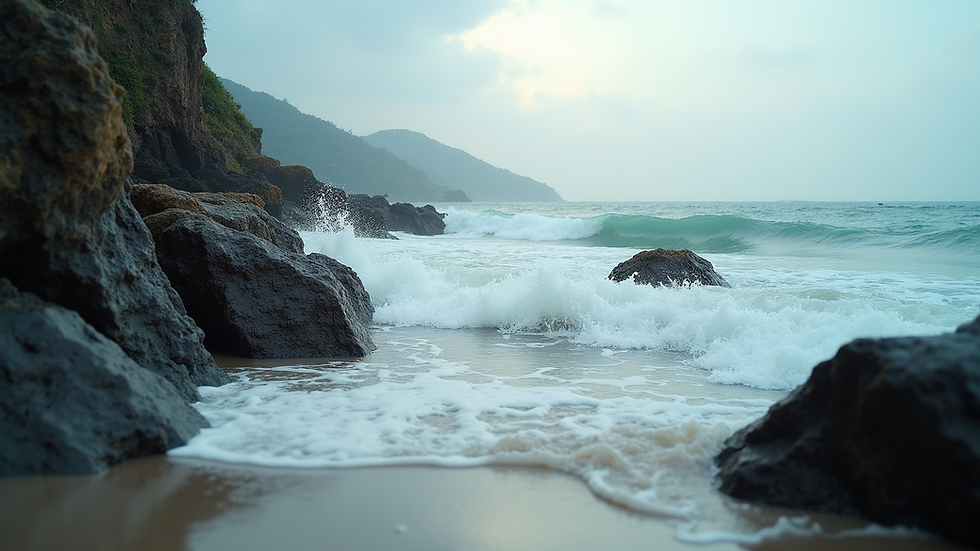
Coastal photography offers a unique opportunity to capture the breathtaking beauty of nature, especially along the rugged shores of the North Sea. With its dramatic landscapes, shifting tides, and ever-changing light, the North Sea provides an ideal canvas for photographers of all skill levels. In this post, we will explore various techniques, tips, and locations that can help you master the art of coastal photography.

Understanding the North Sea
The North Sea is known for its diverse ecosystems, rich maritime history, and stunning coastal scenery. Stretching from the eastern coast of the United Kingdom to the western shores of mainland Europe, it features a variety of landscapes, including sandy beaches, rocky cliffs, and quaint fishing villages.
Key Features of the North Sea
Dramatic Weather: The North Sea is famous for its unpredictable weather, which can change rapidly. This variability can create stunning photographic opportunities, from moody skies to vibrant sunsets.
Unique Wildlife: The region is home to various species, including seabirds, seals, and even dolphins. Capturing these creatures in their natural habitat can add depth to your coastal photography.
Cultural Heritage: The coastal towns and villages along the North Sea are steeped in history. From ancient lighthouses to traditional fishing boats, these elements can enhance your photographs.
Essential Equipment for Coastal Photography
To capture the beauty of the North Sea effectively, having the right equipment is crucial. Here are some essential items to consider:
Camera
A DSLR or mirrorless camera is ideal for coastal photography, as they offer versatility and high image quality. Look for a camera with weather sealing to protect against moisture and sand.
Lenses
Wide-Angle Lens: A wide-angle lens (16-35mm) is perfect for capturing expansive landscapes and dramatic skies.
Telephoto Lens: A telephoto lens (70-200mm) allows you to zoom in on distant subjects, such as wildlife or boats.
Macro Lens: For close-up shots of coastal flora and fauna, a macro lens can help you capture intricate details.
Tripod
A sturdy tripod is essential for long exposure shots, especially during low light conditions. It helps stabilize your camera and allows for sharper images.
Filters
Polarizing Filter: This filter reduces glare from water and enhances colors, making your images more vibrant.
Neutral Density Filter: ND filters allow you to use longer exposure times, creating smooth water effects and softening clouds.
Techniques for Capturing Coastal Beauty
Now that you have the right equipment, let's explore some techniques to enhance your coastal photography.
Composition
Good composition is key to creating striking images. Here are some tips:
Rule of Thirds: Position your subject along the grid lines or at their intersections to create a balanced composition.
Leading Lines: Use natural lines, such as shorelines or pathways, to draw the viewer's eye into the image.
Framing: Use elements like rocks or trees to frame your subject, adding depth to your photographs.
Lighting
The quality of light can make or break a photograph. Here are some tips for working with light:
Golden Hour: Shoot during the golden hour (the hour after sunrise and before sunset) for soft, warm light that enhances colors.
Blue Hour: The blue hour (just before sunrise and after sunset) offers a cooler, more dramatic light, perfect for capturing moody seascapes.
Overcast Days: Cloudy skies can provide even lighting, reducing harsh shadows and allowing for more detail in your images.
Long Exposures
Long exposure photography can create stunning effects, especially with water. Here’s how to achieve this:
Use a Tripod: Stabilize your camera to avoid motion blur.
Set a Low ISO: Keep your ISO low (100-200) to reduce noise.
Adjust Aperture: Use a small aperture (f/8 to f/16) for a greater depth of field.
Use ND Filters: These filters allow you to use longer shutter speeds even in bright conditions.
Best Locations for Coastal Photography in the North Sea
The North Sea is dotted with incredible locations for photography. Here are some must-visit spots:
1. The Cliffs of Moher, Ireland
These dramatic cliffs rise over 700 feet above the Atlantic Ocean, offering breathtaking views and stunning sunsets. The rugged coastline and crashing waves create a perfect backdrop for photography.
2. The Norfolk Coast, England
With its sandy beaches, marshes, and charming villages, the Norfolk Coast is a photographer's paradise. The area is also home to diverse wildlife, making it an excellent spot for nature photography.
3. The Dutch Coast
The Netherlands boasts beautiful beaches and iconic windmills. The combination of sandy shores and traditional Dutch architecture provides endless photographic opportunities.
4. The Shetland Islands, Scotland
These remote islands offer dramatic landscapes, unique wildlife, and rich cultural heritage. The rugged cliffs and serene beaches are perfect for capturing the essence of the North Sea.
Tips for Post-Processing Coastal Images
After capturing your images, post-processing can enhance their beauty. Here are some tips to consider:
Basic Adjustments
Exposure: Adjust the exposure to ensure your images are well-lit.
Contrast: Increase contrast to add depth and dimension to your photos.
Saturation: Enhance colors carefully to avoid oversaturation.
Advanced Techniques
Dodging and Burning: Use these techniques to selectively lighten or darken areas of your image, adding depth and focus.
Sharpening: Apply sharpening to enhance details, especially in landscapes.
Conclusion
Coastal photography along the North Sea offers endless opportunities to capture stunning landscapes and unique wildlife. By understanding the region's features, using the right equipment, and applying effective techniques, you can create breathtaking images that showcase the beauty of this remarkable coastline.
As you embark on your coastal photography journey, remember to experiment with different compositions, lighting conditions, and post-processing techniques. The North Sea awaits, ready to inspire your creativity and elevate your photography skills. Grab your camera, explore the shores, and let the beauty of the North Sea unfold through your lens.

Comments